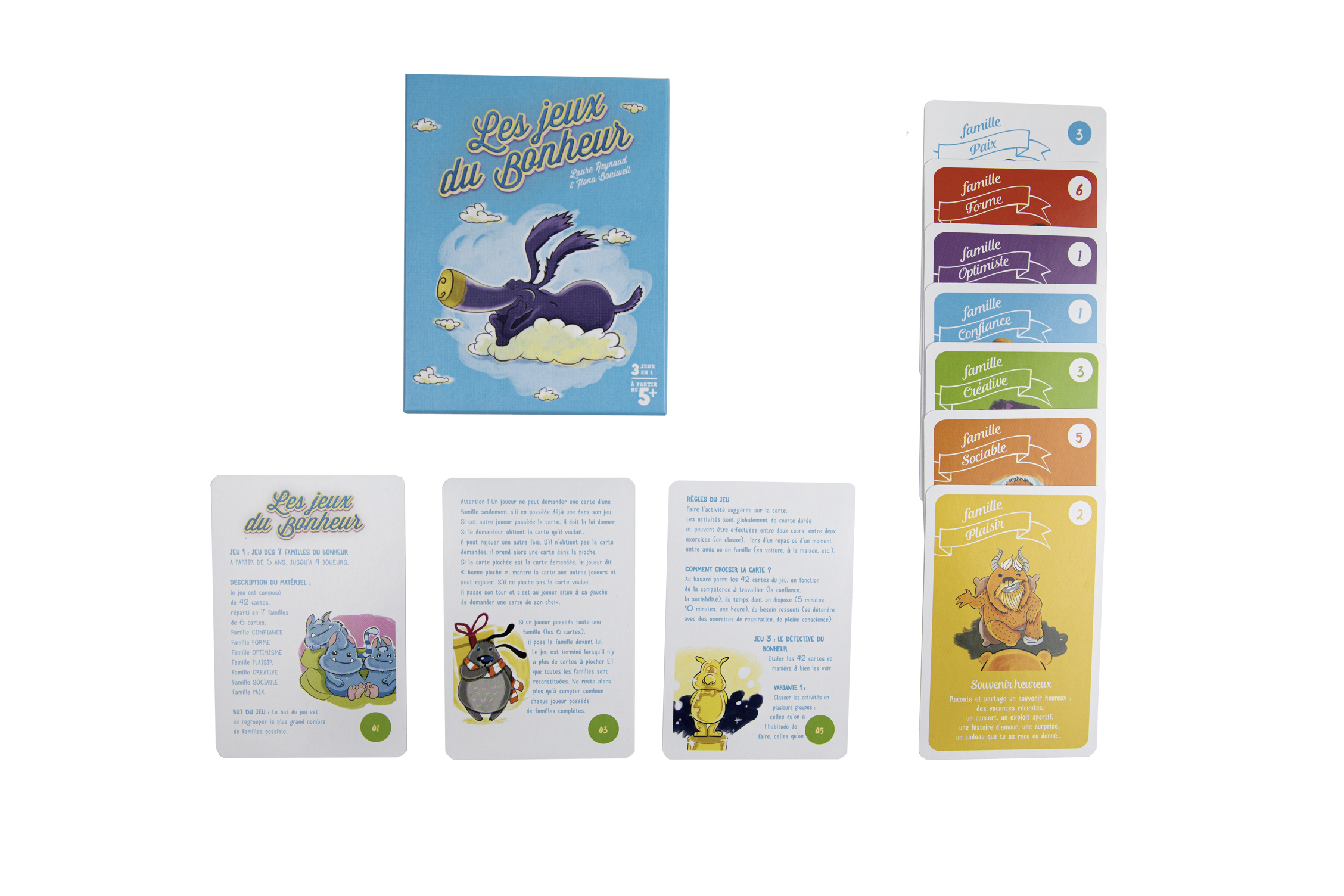
ألعاب السعادة
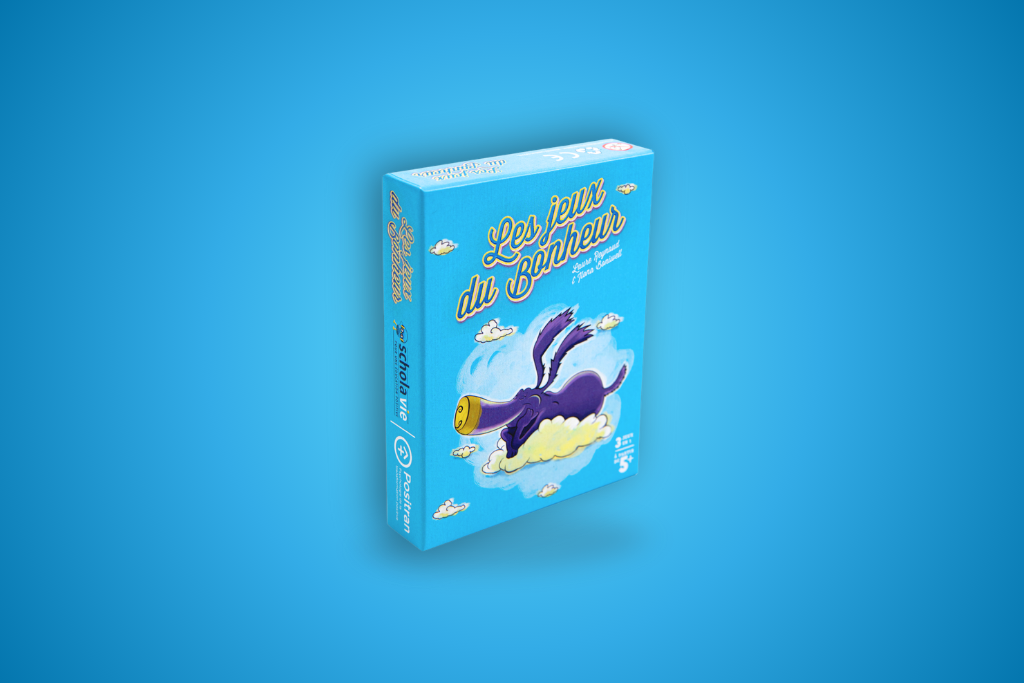
تعلم مهارات السعادة من خلال اللعب. ساعد أطفالك أو طلابك على تنمية مهارات السعادة الدائمة، وابنِ بيئة إيجابية في عائلتك أو صفك الدراسي.
استنادًا إلى أحدث النتائج العلمية في علم النفس الإيجابي، تتيح لك لعبة الورق الثلاثية هذه تطوير المهارات النفسية والاجتماعية بطريقة ممتعة وعملية.
لعبة السعادة، مثل لعبة العائلات السبع، أو محقق السعادة، أو لحظة صغيرة للمشاركة، مناسبة لجميع الأعمار، وجميع السياقات، وجميع الاحتياجات التي يتم الشعور بها أو التعبير عنها.
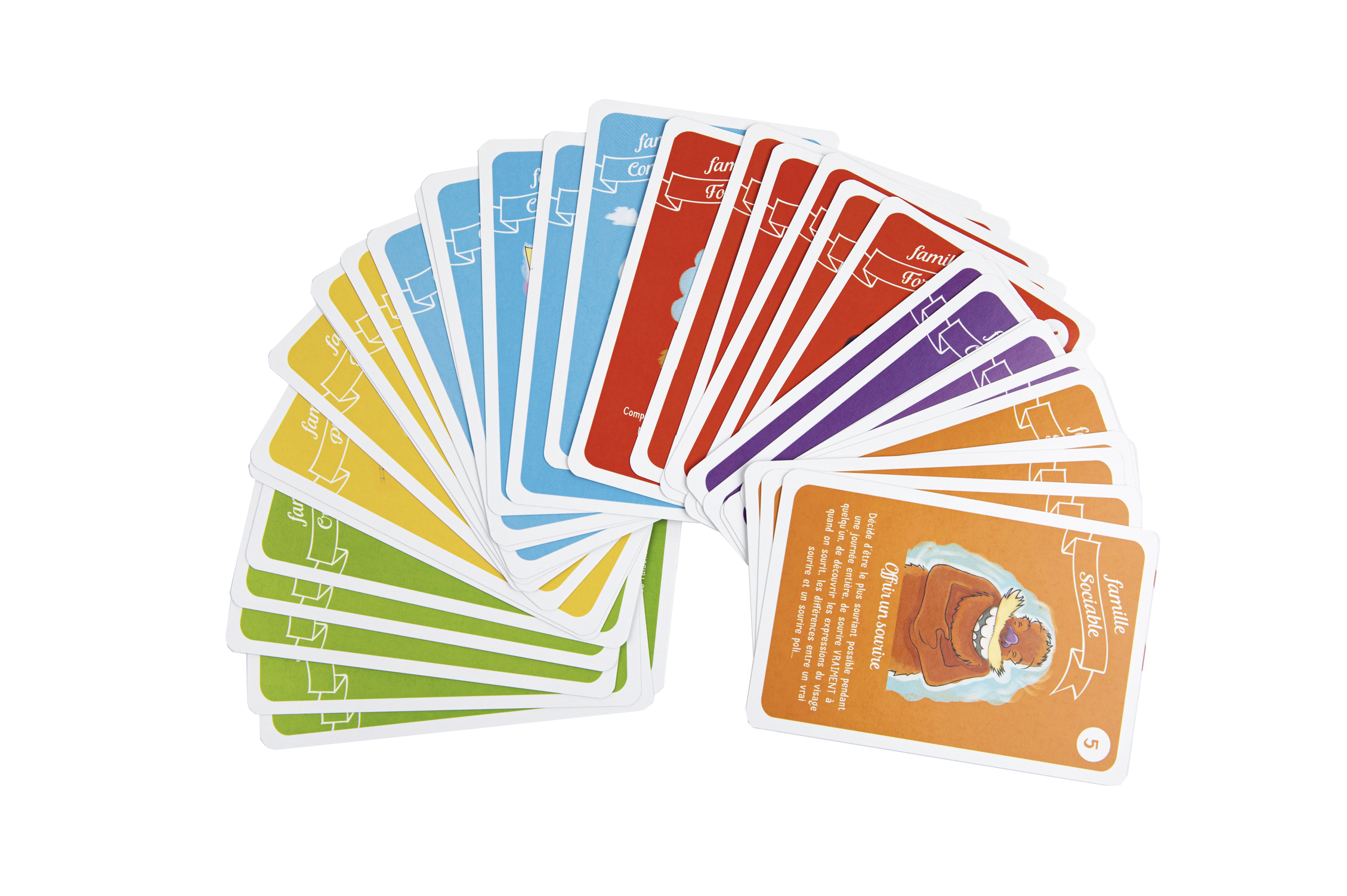
باستخدام هذه البطاقات الـ 42، ستتعلم كيف تتحرك، وكيف تستمتع، وكيف تمارس اليقظة الذهنية، وكيف تتخذ القرارات، وكيف تعبر عن مشاعرك، وكيف تحدد نقاط قوتك، وكيف تثق، وكيف ترى الجانب المشرق من الأمور، وكيف تبني علاقات محترمة وسلمية، إلخ.
وصف المنتج
يمكن استخدام "لعبة السعادة" مع مختلف الفئات العمرية، وفي سياقات متنوعة، وتلبية احتياجات مختلفة. تتكون اللعبة من 42 بطاقة، مقسمة إلى 7 مجموعات، كل مجموعة تضم 6 بطاقات. يستطيع الأطفال تعلم استراتيجيات من أعضاء مجموعات الثقة، واللياقة، والتفاؤل، والمرح، والإبداع، والاجتماعية، والسلام.
تم تطوير لعبة السعادة بواسطة الدكتورة إيلونا بونيويل، وهي باحثة وممارسة في علم النفس الإيجابي، ولور رينو، وهي معلمة لديها 18 عامًا من الخبرة.
لمن هذه الرسالة موجهة؟
لعبة "السعادة" مصممة للأطفال في مرحلة ما قبل المدرسة والمرحلة الابتدائية.
ومع ذلك، فقد وجدنا أن البالغين يمكنهم الاستمتاع بقدر ما يستمتع به الأطفال، إن لم يكن أكثر، عندما تُستخدم اللعبة أثناء جلسة أو على العشاء.
يمكن استخدام ألعاب السعادة في بيئة عائلية أو كأداة تعليمية وتيسيرية.
استخدامه
تمامًا مثل لعبة كلاسيكية!
- عائلات سعيدة / اذهبوا للصيد
يقوم أحد اللاعبين، الذي يتم اختياره عشوائياً، بتوزيع 7 بطاقات على جميع اللاعبين، واحدة تلو الأخرى. وتشكل البطاقات المتبقية الكومة.
يبدأ اللاعب الجالس على يسار الموزع اللعبة. إذا كان لديه على الأقل ورقة واحدة من نفس النوع، فيمكنه محاولة إكمال مجموعته بطلب ورقة محددة من أي لاعب آخر. لهذا السبب يقول: "في نوع الورق... أريد الورقة رقم 3. هيا نرقص...". لاحظ أنه لا يمكن للاعب طلب ورقة من نوع معين إلا إذا كانت لديه واحدة بالفعل في يده.
إذا كان اللاعب الآخر يملك البطاقة، فعليه أن يعطيها له. إذا حصل اللاعب الذي طلب البطاقة على البطاقة التي أرادها، فبإمكانه اللعب مرة أخرى. إذا لم يحصل على البطاقة التي طلبها، فعليه سحب البطاقة العلوية من الكومة. إذا كانت البطاقة المسحوبة هي البطاقة المطلوبة، يقول الطالب "اسحب"، ويُريها للاعبين الآخرين، ويحصل على دور آخر. إذا لم تكن البطاقة المسحوبة هي البطاقة التي أرادها، ينتقل الدور إلى اللاعب على يساره، والذي يمكنه طلب أي بطاقة يريدها.
إذا امتلك اللاعب مجموعة كاملة (جميع البطاقات الست)، فإنه يضع جميع بطاقات تلك المجموعة مكشوفة أمامه. تنتهي اللعبة عندما لا يتبقى أي بطاقات في الكومة ويتم جمع جميع المجموعات. بعد ذلك، ما عليك سوى عدّ عدد المجموعات الكاملة التي يمتلكها كل لاعب، وجرّب بعض الأنشطة المذكورة.
كتدخل في علم النفس الإيجابي:
- لحظة للمشاركة
قم بتنفيذ النشاط المقترح على البطاقة. الأنشطة قصيرة بشكل عام ويمكن القيام بها بين درسين، أو بين تمرينين (في الفصل)، أو أثناء تناول وجبة طعام، أو في وقت مع الأصدقاء أو العائلة (في السيارة، في المنزل، إلخ).
كيف تختار البطاقة أو النشاط؟ بشكل عشوائي من بين 42 بطاقة في اللعبة، اعتمادًا على المهارة المراد العمل عليها (الثقة، الاجتماعية، إلخ)، والوقت المتاح (5 دقائق، 10 دقائق، ساعة واحدة) أو حتى هدف النشاط نفسه (مثال: الاسترخاء من خلال تمارين التنفس، تمارين اليقظة الذهنية، إلخ).
كنشاط تدريبي
- صيد عائلي
بحسب حجم المجموعة، يحصل كل مشارك على بطاقة واحدة إلى ثلاث بطاقات، كل منها من عائلة مختلفة. مهمتهم هي جمع البطاقات من نفس العائلة (عن طريق التبادل مع الآخرين) ثم العثور على أفراد عائلتهم. عندما تجتمع العائلة بأكملها، يجب عليهم أولاً إكمال جميع التمارين الموجودة على بطاقاتهم، ثم إعداد عرض تقديمي ممتع عن عائلتهم للآخرين، مع توضيح بعض التمارين.
يمكن استخدام "لعبة السعادة" مع مختلف الفئات العمرية، وفي سياقات متنوعة، وتلبية احتياجات مختلفة. تتكون اللعبة من 42 بطاقة، مقسمة إلى 7 مجموعات، كل مجموعة تضم 6 بطاقات. يستطيع الأطفال تعلم استراتيجيات من أعضاء مجموعات الثقة، واللياقة، والتفاؤل، والمرح، والإبداع، والاجتماعية، والسلام.
تم تطوير لعبة السعادة بواسطة الدكتورة إيلونا بونيويل، وهي باحثة وممارسة في علم النفس الإيجابي، ولور رينو، وهي معلمة لديها 18 عامًا من الخبرة.
لعبة "السعادة" مصممة للأطفال في مرحلة ما قبل المدرسة والمرحلة الابتدائية.
ومع ذلك، فقد وجدنا أن البالغين يمكنهم الاستمتاع بقدر ما يستمتع به الأطفال، إن لم يكن أكثر، عندما تُستخدم اللعبة أثناء جلسة أو على العشاء.
يمكن استخدام ألعاب السعادة في بيئة عائلية أو كأداة تعليمية وتيسيرية.
تمامًا مثل لعبة كلاسيكية!
- عائلات سعيدة / اذهبوا للصيد
يقوم أحد اللاعبين، الذي يتم اختياره عشوائياً، بتوزيع 7 بطاقات على جميع اللاعبين، واحدة تلو الأخرى. وتشكل البطاقات المتبقية الكومة.
يبدأ اللاعب الجالس على يسار الموزع اللعبة. إذا كان لديه على الأقل ورقة واحدة من نفس النوع، فيمكنه محاولة إكمال مجموعته بطلب ورقة محددة من أي لاعب آخر. لهذا السبب يقول: "في نوع الورق... أريد الورقة رقم 3. هيا نرقص...". لاحظ أنه لا يمكن للاعب طلب ورقة من نوع معين إلا إذا كانت لديه واحدة بالفعل في يده.
إذا كان اللاعب الآخر يملك البطاقة، فعليه أن يعطيها له. إذا حصل اللاعب الذي طلب البطاقة على البطاقة التي أرادها، فبإمكانه اللعب مرة أخرى. إذا لم يحصل على البطاقة التي طلبها، فعليه سحب البطاقة العلوية من الكومة. إذا كانت البطاقة المسحوبة هي البطاقة المطلوبة، يقول الطالب "اسحب"، ويُريها للاعبين الآخرين، ويحصل على دور آخر. إذا لم تكن البطاقة المسحوبة هي البطاقة التي أرادها، ينتقل الدور إلى اللاعب على يساره، والذي يمكنه طلب أي بطاقة يريدها.
إذا امتلك اللاعب مجموعة كاملة (جميع البطاقات الست)، فإنه يضع جميع بطاقات تلك المجموعة مكشوفة أمامه. تنتهي اللعبة عندما لا يتبقى أي بطاقات في الكومة ويتم جمع جميع المجموعات. بعد ذلك، ما عليك سوى عدّ عدد المجموعات الكاملة التي يمتلكها كل لاعب، وجرّب بعض الأنشطة المذكورة.
كتدخل في علم النفس الإيجابي:
- لحظة للمشاركة
قم بتنفيذ النشاط المقترح على البطاقة. الأنشطة قصيرة بشكل عام ويمكن القيام بها بين درسين، أو بين تمرينين (في الفصل)، أو أثناء تناول وجبة طعام، أو في وقت مع الأصدقاء أو العائلة (في السيارة، في المنزل، إلخ).
كيف تختار البطاقة أو النشاط؟ بشكل عشوائي من بين 42 بطاقة في اللعبة، اعتمادًا على المهارة المراد العمل عليها (الثقة، الاجتماعية، إلخ)، والوقت المتاح (5 دقائق، 10 دقائق، ساعة واحدة) أو حتى هدف النشاط نفسه (مثال: الاسترخاء من خلال تمارين التنفس، تمارين اليقظة الذهنية، إلخ).
كنشاط تدريبي
- صيد عائلي
بحسب حجم المجموعة، يحصل كل مشارك على بطاقة واحدة إلى ثلاث بطاقات، كل منها من عائلة مختلفة. مهمتهم هي جمع البطاقات من نفس العائلة (عن طريق التبادل مع الآخرين) ثم العثور على أفراد عائلتهم. عندما تجتمع العائلة بأكملها، يجب عليهم أولاً إكمال جميع التمارين الموجودة على بطاقاتهم، ثم إعداد عرض تقديمي ممتع عن عائلتهم للآخرين، مع توضيح بعض التمارين.
منتجاتنا التكميلية