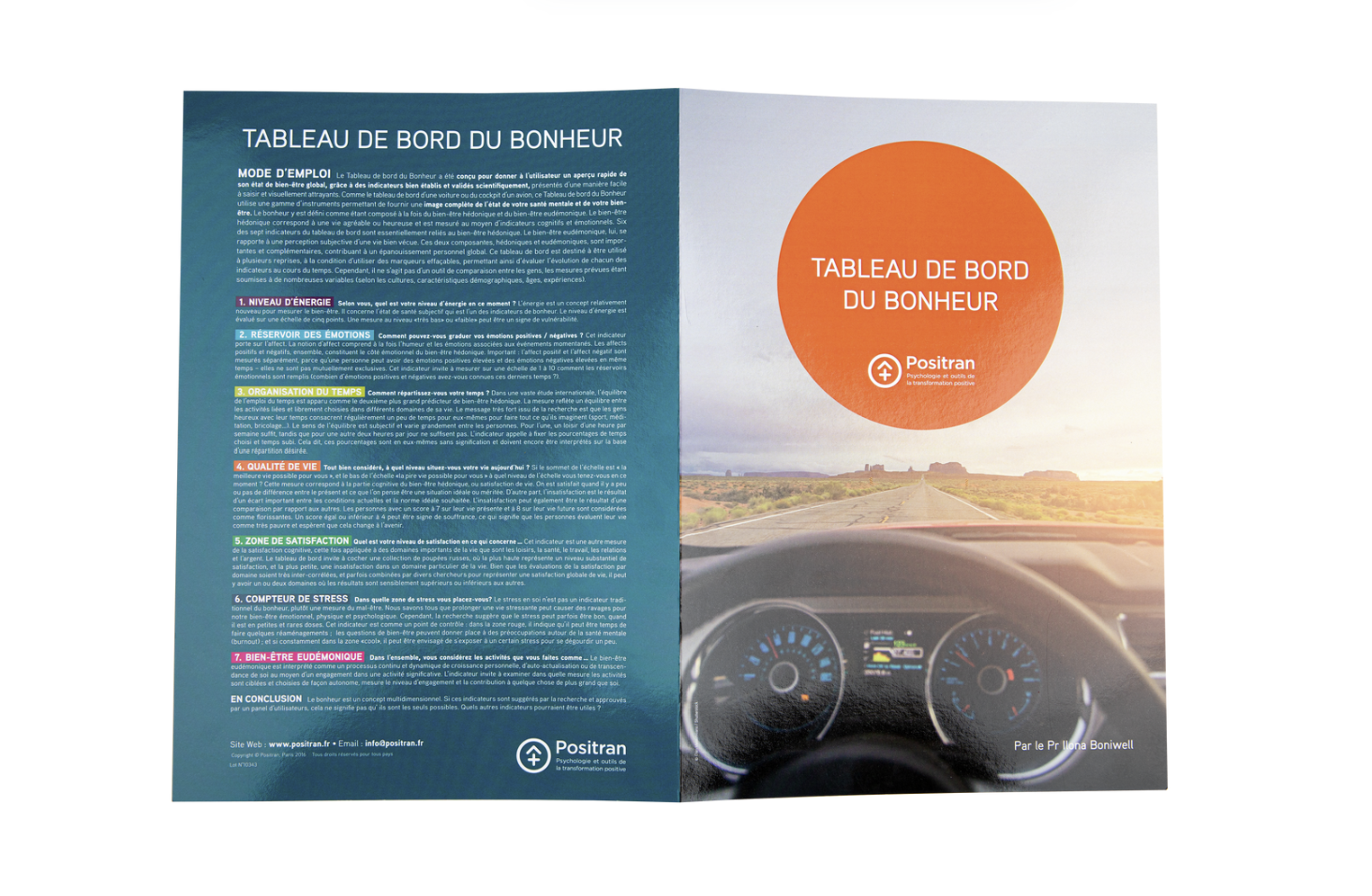
لوحة معلومات السعادة
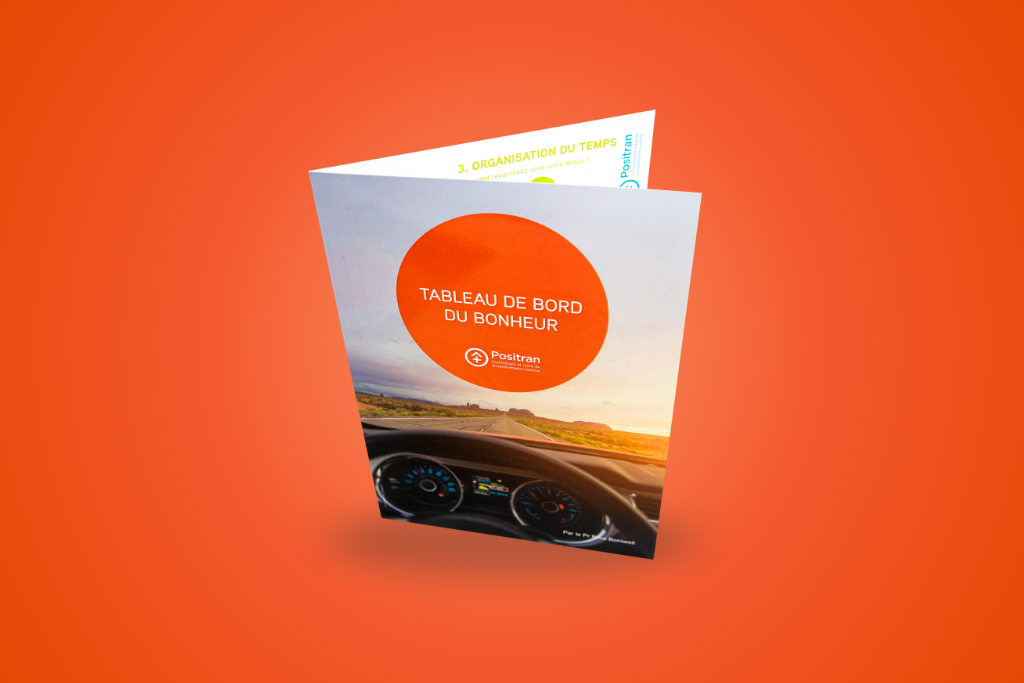
تم تصميم لوحة معلومات السعادة لإعطاء المستخدم لمحة موجزة عن رفاهيته باستخدام مؤشرات مثبتة علميًا ومعتمدة، يتم عرضها بطريقة سهلة الفهم وجذابة بصريًا.
وصف المنتج
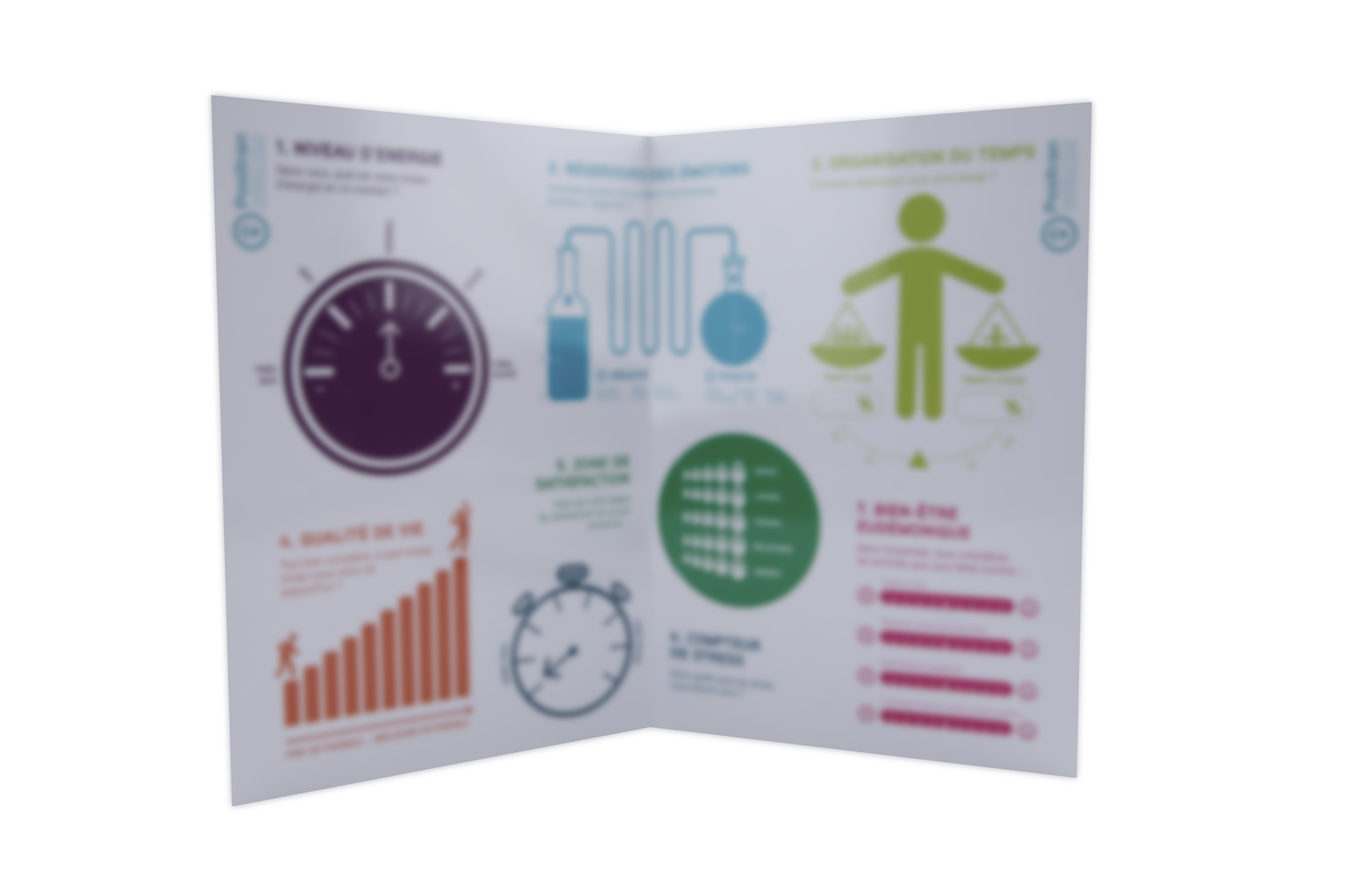
مثل لوحة عدادات السيارة أو الطائرة، تم تجهيز لوحة عدادات السعادة بمجموعة من الأدوات لتوفير نظرة عامة شاملة على الصحة العقلية والرفاهية.
لأغراض لوحة المعلومات، يتم تعريف الرفاهية على أنها رفاهية المتعة ورفاهية السعادة.
تُشير الرفاهية الهيدونية إلى حياة ممتعة وسعيدة، ويتم قياسها باستخدام مؤشرات معرفية وعاطفية. ستة من المؤشرات السبعة في لوحة المعلومات ترتبط بشكل أساسي بالرفاهية الهيدونية: مستوى الطاقة، والرصيد العاطفي، والتوازن الزمني، ومقياس الحياة، والرضا عن جوانب الحياة المختلفة، ومستوى التوتر. أما الرفاهية الإيودايمونية، التي يُمثلها مؤشر واحد، فتتعلق بالإدراك الذاتي لحياة مُرضية. وتُعدّ الرفاهية الهيدونية والإيودايمونية مجتمعتين مهمة ومتكاملة، إذ تُسهمان في تحقيق الرضا الشامل للفرد.
لمن هذه الرسالة موجهة؟
تُعد لوحة معلومات السعادة في المقام الأول أداة احترافية.
يمكن للمدربين، وعلماء النفس، والمعالجين، وقادة الشباب، ومستشاري التوظيف، والمديرين، والمتخصصين في الموارد البشرية استخدامه في الجلسات الفردية لدعم عملائهم أو موظفيهم.
يمكن استخدام لوحة معلومات السعادة أيضاً كتمرين ثنائي أو جماعي صغير خلال جلسات التدريب الجماعي. كما يمكن للأفراد استخدامها كأداة للتدريب الذاتي.
استخدامه
تم تصميم لوحة التحكم للاستخدام المتكرر، بشرط استخدام أقلام السبورة البيضاء.
استكشاف السعادة:
ألقِ نظرة على لوحة السعادة أمامك. لو كانت الحياة سلمًا، فأي درجة ستختار؟ ما مدى رضاك عن وضعك العائلي، وهواياتك، ووضعك المالي؟ ما مدى امتلاء كأسك بالمشاعر الإيجابية مقابل السلبية؟ من منظور التوتر، هل أنت في منطقة باردة، أم مرتفعة، أم حمراء؟ هذه الأسئلة تقيس السعادة الوجدانية، أو الرفاهية في الحياة. هل تعتبر أنشطتك الحياتية مفيدة ونافعة؟ مُمتعة وجذابة؟ هذه تقيس السعادة الحقيقية، التي تركز على فعل الخير وعيش حياة ذات معنى. ما هي المؤشرات التي تبدو لك أكثر أهمية الآن؟ ولماذا؟ هل هي مترابطة؟ إذا كان الأمر كذلك، فكيف؟ بالنظر إلى حالتك الحالية من السعادة، ما هي الإجراءات التي ترغب في اتخاذها، إن وجدت؟
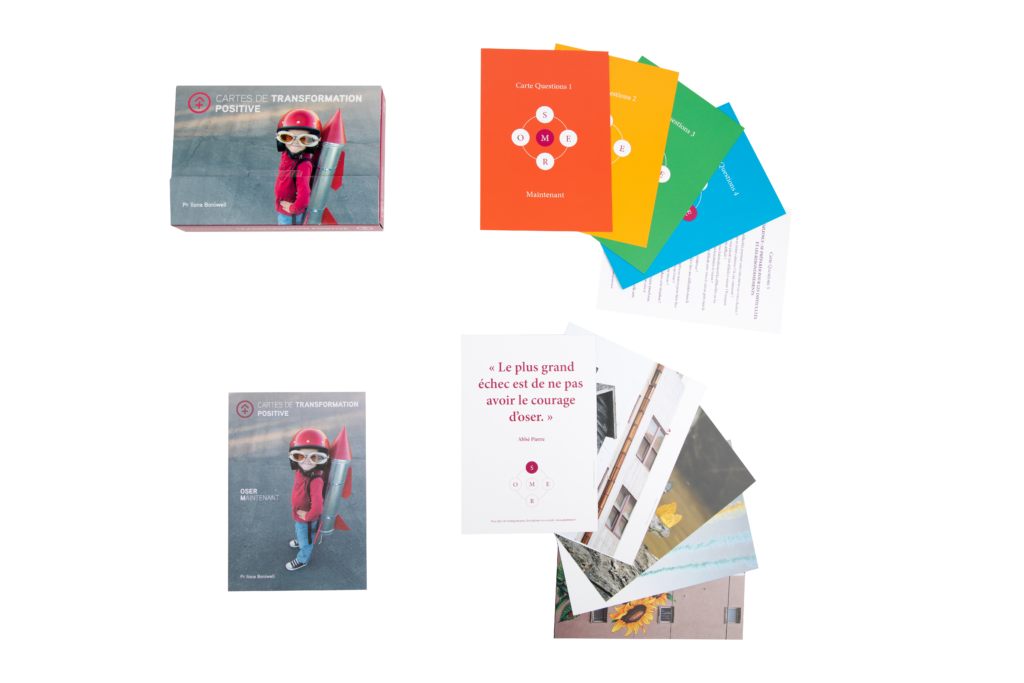
يمكن أن يتبع لوحة تقييم السعادة تمرين بطاقات العمل الإيجابي لاختيار واحد أو أكثر من التدخلات لتحسين الرفاهية.
نظرة إلى الماضي:
بما أن لوحة المعلومات مصممة للاستخدام المتكرر، يمكن للمستخدم مقارنة تقدمه الشخصي بناءً على المؤشرات المتاحة. مع ذلك، فهي ليست أداة لمقارنة الأفراد، إذ قد تختلف المعايير باختلاف الثقافات والأعمار والخصائص الديموغرافية الأخرى.
مؤشرات سعادتك الشخصية:
ما هي الأسئلة الأخرى التي قد تطرحها للحصول على لمحة سريعة عن سعادتك؟ ولجعل الأمر أكثر إثارة، لمَ لا تُنشئ مؤشرًا أو مؤشرات خاصة بك لقياس سعادتك اليومية كما تراها أنت؟ تخيّل لوحة عدادات السيارة أو الطائرة، وارسم أوجه الشبه. كيف سيبدو عداد السرعة كمؤشر للسعادة؟ ماذا عن مؤشر الوقود أو مؤشر الحرارة؟ اقترح أحد العملاء "مقياس الابتسامة" لقياس عدد مرات ابتساماتهم اليومية.
مثل لوحة عدادات السيارة أو الطائرة، تم تجهيز لوحة عدادات السعادة بمجموعة من الأدوات لتوفير نظرة عامة شاملة على الصحة العقلية والرفاهية.
لأغراض لوحة المعلومات، يتم تعريف الرفاهية على أنها رفاهية المتعة ورفاهية السعادة.
تُشير الرفاهية الهيدونية إلى حياة ممتعة وسعيدة، ويتم قياسها باستخدام مؤشرات معرفية وعاطفية. ستة من المؤشرات السبعة في لوحة المعلومات ترتبط بشكل أساسي بالرفاهية الهيدونية: مستوى الطاقة، والرصيد العاطفي، والتوازن الزمني، ومقياس الحياة، والرضا عن جوانب الحياة المختلفة، ومستوى التوتر. أما الرفاهية الإيودايمونية، التي يُمثلها مؤشر واحد، فتتعلق بالإدراك الذاتي لحياة مُرضية. وتُعدّ الرفاهية الهيدونية والإيودايمونية مجتمعتين مهمة ومتكاملة، إذ تُسهمان في تحقيق الرضا الشامل للفرد.
تُعد لوحة معلومات السعادة في المقام الأول أداة احترافية.
يمكن للمدربين، وعلماء النفس، والمعالجين، وقادة الشباب، ومستشاري التوظيف، والمديرين، والمتخصصين في الموارد البشرية استخدامه في الجلسات الفردية لدعم عملائهم أو موظفيهم.
يمكن استخدام لوحة معلومات السعادة أيضاً كتمرين ثنائي أو جماعي صغير خلال جلسات التدريب الجماعي. كما يمكن للأفراد استخدامها كأداة للتدريب الذاتي.
تم تصميم لوحة التحكم للاستخدام المتكرر، بشرط استخدام أقلام السبورة البيضاء.
استكشاف السعادة:
ألقِ نظرة على لوحة السعادة أمامك. لو كانت الحياة سلمًا، فأي درجة ستختار؟ ما مدى رضاك عن وضعك العائلي، وهواياتك، ووضعك المالي؟ ما مدى امتلاء كأسك بالمشاعر الإيجابية مقابل السلبية؟ من منظور التوتر، هل أنت في منطقة باردة، أم مرتفعة، أم حمراء؟ هذه الأسئلة تقيس السعادة الوجدانية، أو الرفاهية في الحياة. هل تعتبر أنشطتك الحياتية مفيدة ونافعة؟ مُمتعة وجذابة؟ هذه تقيس السعادة الحقيقية، التي تركز على فعل الخير وعيش حياة ذات معنى. ما هي المؤشرات التي تبدو لك أكثر أهمية الآن؟ ولماذا؟ هل هي مترابطة؟ إذا كان الأمر كذلك، فكيف؟ بالنظر إلى حالتك الحالية من السعادة، ما هي الإجراءات التي ترغب في اتخاذها، إن وجدت؟
يمكن أن يتبع لوحة تقييم السعادة تمرين بطاقات العمل الإيجابي لاختيار واحد أو أكثر من التدخلات لتحسين الرفاهية.
نظرة إلى الماضي:
بما أن لوحة المعلومات مصممة للاستخدام المتكرر، يمكن للمستخدم مقارنة تقدمه الشخصي بناءً على المؤشرات المتاحة. مع ذلك، فهي ليست أداة لمقارنة الأفراد، إذ قد تختلف المعايير باختلاف الثقافات والأعمار والخصائص الديموغرافية الأخرى.
مؤشرات سعادتك الشخصية:
ما هي الأسئلة الأخرى التي قد تطرحها للحصول على لمحة سريعة عن سعادتك؟ ولجعل الأمر أكثر إثارة، لمَ لا تُنشئ مؤشرًا أو مؤشرات خاصة بك لقياس سعادتك اليومية كما تراها أنت؟ تخيّل لوحة عدادات السيارة أو الطائرة، وارسم أوجه الشبه. كيف سيبدو عداد السرعة كمؤشر للسعادة؟ ماذا عن مؤشر الوقود أو مؤشر الحرارة؟ اقترح أحد العملاء "مقياس الابتسامة" لقياس عدد مرات ابتساماتهم اليومية.
منتجاتنا التكميلية